What Is an Underwater Memorial Reef for Families?
A loved one’s ashes can become part of something living. An underwater memorial reef offers families a permanent place of remembrance beneath the sea, where a carefully designed, marine-safe structure can shelter fish, invite coral growth, and become more alive with every passing year. For families who feel that cold stone does not reflect the warmth, spirit, or love of the person they are honoring, this can be a gentle, joyful goodbye.
Rather than scattering ashes into open water or choosing a traditional cemetery marker, families choose a memorial that has a physical purpose. The cremated remains are incorporated into a durable reef structure and placed in approved waters. What remains is not simply a marker of loss. It is a lasting contribution to marine habitat and a place connected to the tides, wildlife, and memories that shaped a life.
What Is an Underwater Memorial Reef?
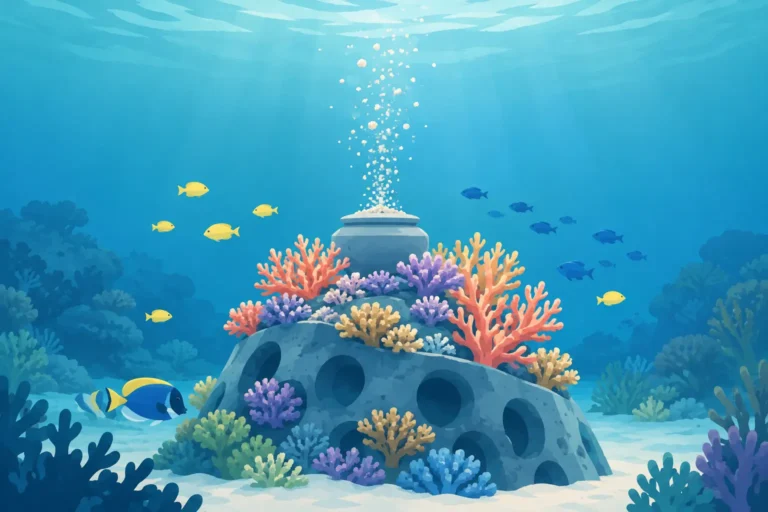
An underwater memorial reef is a permanent artificial reef created to hold cremated remains while supporting ocean restoration. The reef is made from materials designed to be safe for marine environments and durable enough to remain in place for generations. Over time, its surface can provide space for marine life to gather, attach, shelter, and grow.
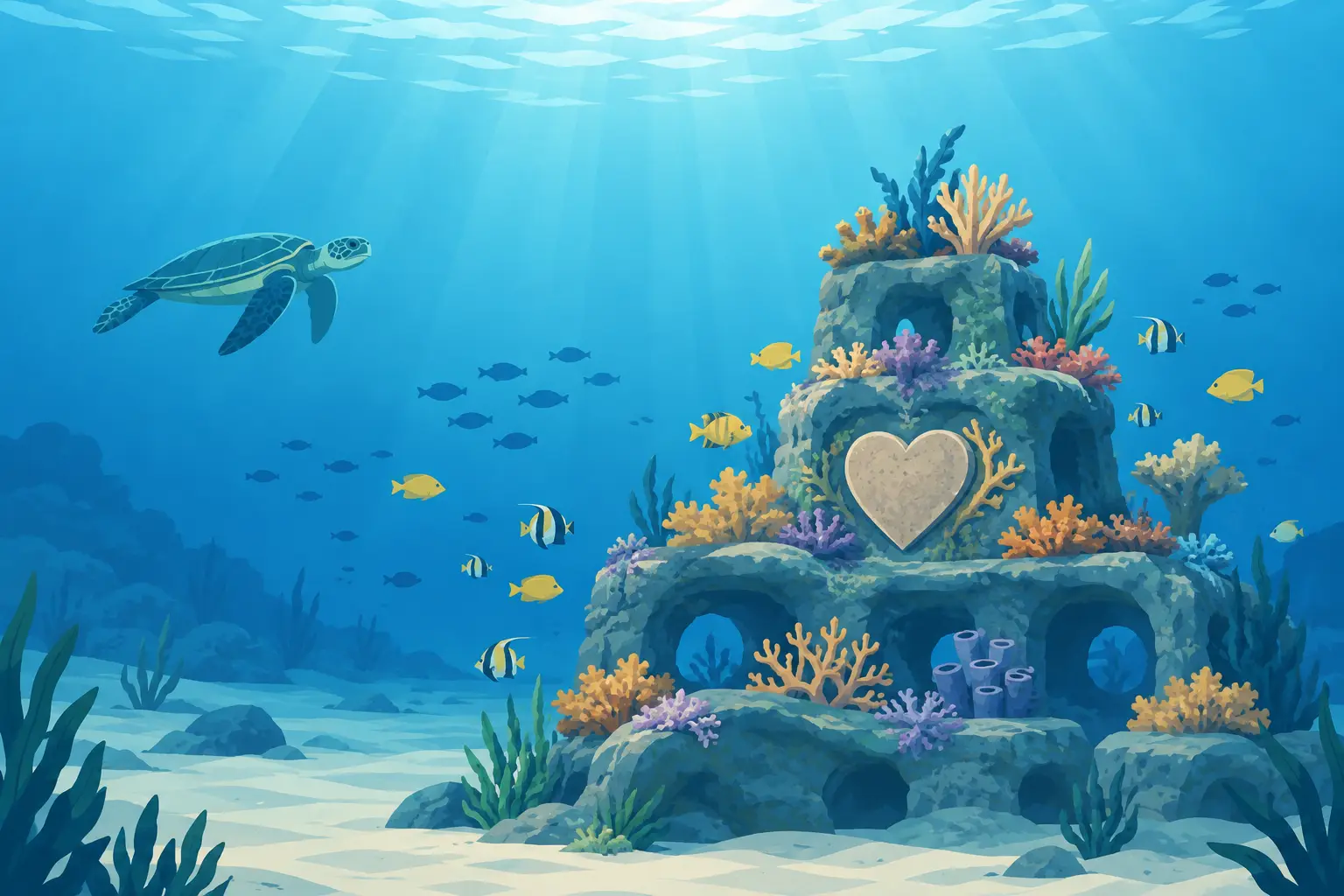
Each memorial is personal. A placement may honor one person, a couple, several family members across generations, or a beloved pet. Families may select a shared reef memorial or a more private structure with room for future placements. Personalized plaques, placement certificates, and GPS coordinates can provide a tangible connection to a location that may otherwise feel far away.
The experience is both intimate and expansive. A family is remembering one cherished life, while also helping create habitat that can serve the sea for more than a century.
Why Families Choose a Living Memorial
Grief does not always fit neatly into the rituals that have been available for generations. Some people find comfort in a gravesite they can visit. Others feel most connected to a loved one near the water: on a boat, at a beach, while fishing, diving, sailing, or watching a familiar coastline.
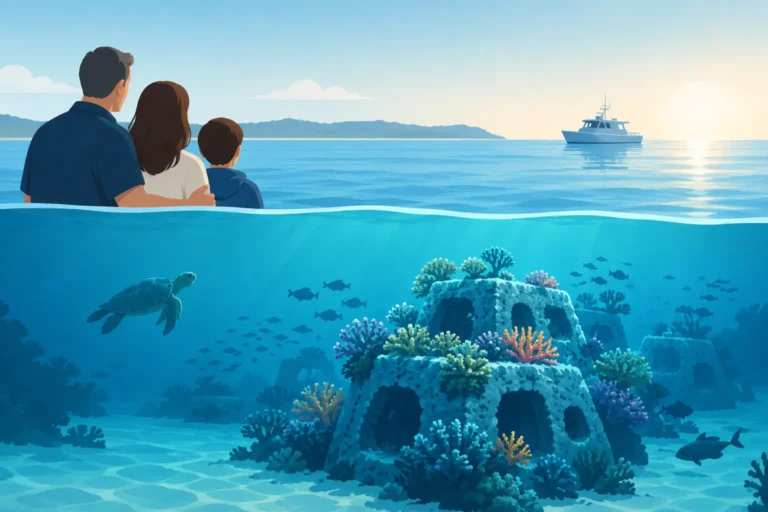
A living reef memorial can reflect that connection. It gives families a place to return to in person, by boat, through a dive, or simply in thought using the memorial’s documented location. It also offers a different image of remembrance. Instead of asking loved ones to focus only on what has ended, it creates space to witness what continues.
That does not make loss easier or less real. It can, however, give grief a meaningful direction. The reef becomes a place where memory and restoration are held together.
For many families, the environmental purpose matters deeply. Healthy reef structures can create shelter and surface area for fish and other marine organisms. In areas where natural habitat has been diminished, a properly permitted artificial reef can contribute to the larger work of restoring marine ecosystems. The impact depends on the placement site, local conditions, and the natural colonization of the structure, but the intention is clear: remembrance can give back.
A Memorial That Can Include the Whole Family
One of the quiet strengths of a reef memorial is its capacity for connection over time. Families are not always looking for an individual resting place alone. They may want a shared legacy for spouses, parents, grandparents, children, and future generations.
A couple-focused memorial can hold two sides of one shared story. A family reef can provide capacity for multiple placements, allowing relatives to remain together in a meaningful location. Some families begin with one placement and choose a design that leaves room for others later. This can be especially comforting when loved ones have expressed a shared love of the ocean or a wish to remain connected.
Pet memorials can be equally heartfelt. The loss of a dog, cat, or other companion animal is often a profound family loss. A dedicated or shared pet reef memorial offers a way to honor that devotion with the same care given to any beloved member of the family.
The right choice depends on the family’s wishes, budget, desired location, and whether future placements are important. There is no single correct way to create a memorial. What matters is choosing an option that feels truthful to the life being remembered.
How the Placement Process Works
Making arrangements after a death can feel overwhelming, particularly when cremation, transportation, and ceremony details are happening at once. A compassionate reef memorial provider should reduce that burden rather than add to it.
The process generally begins with a conversation about the person or pet being honored, the family’s preferred memorial type, and placement options. Cremated remains must be handled carefully and prepared for incorporation into the reef structure. Depending on the family’s circumstances, cremation coordination and transportation support may be available as part of the service.
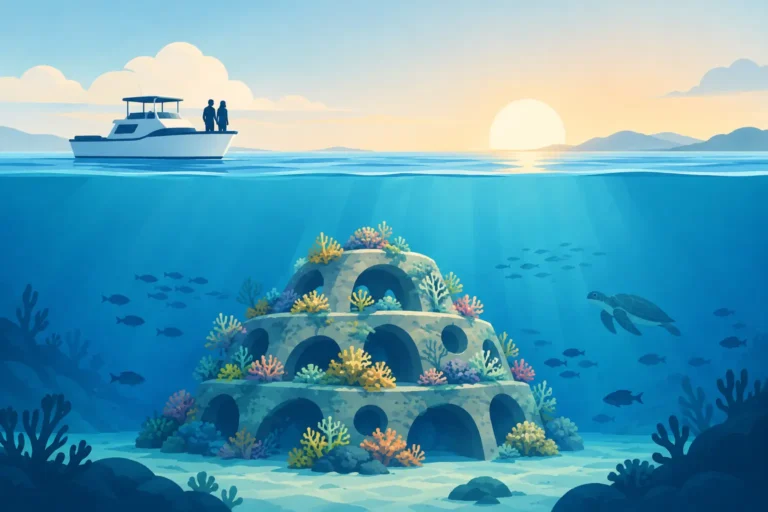
Once the memorial is created, it is placed in approved waters according to applicable site permissions and placement requirements. Families may be able to participate in a ceremony or choose a service that handles the placement on their behalf. Participation options vary by location, weather, vessel access, and local regulations, so it is helpful to discuss expectations early.
After placement, families can receive formal documentation such as a placement certificate and GPS coordinates. A personalized plaque can preserve names, dates, and a short message of love. These details matter. They give families a clear record of where their loved one rests and create a lasting point of connection for those who could not attend a ceremony.
Remember Me By The Sea walks families through these details with a mission-first approach, pairing compassionate memorial support with permanent marine-habitat creation.
What to Ask Before Choosing a Reef Memorial
A reef memorial is a meaningful decision, and clear answers bring peace of mind. Ask whether the structure is specifically engineered for marine use, how long it is expected to last, and whether placement occurs in legally approved waters. It is also wise to ask what documentation the family will receive after placement.
Families should understand exactly what is included. That may involve cremation coordination, transportation of remains, reef construction, a plaque, placement logistics, ceremonial options, certificates, and GPS information. If affordability is a concern, ask about shared memorial choices or financial assistance. A caring provider should be direct about options without making a family feel pressured during a vulnerable time.
Location is another important consideration. Some families want a reef near a meaningful coastline, while others prioritize a particular memorial design or placement schedule. International artistic memorials may be possible for families with a special connection to another coastal region, but travel, permitting, timing, and local requirements can affect what is available.
It is also worth asking about future capacity. If the memorial is intended to become a family place of remembrance, choosing a reef designed for additional placements can prevent difficult decisions later.
A Place to Remember, Even From Far Away
Not every family member will be able to visit the water where a reef is placed. Distance, health, finances, and life responsibilities can make travel difficult. A meaningful memorial should still feel accessible.
GPS coordinates and placement certificates give families a way to hold the location with confidence. They can mark the anniversary of a loved one’s death, share stories with children and grandchildren, or plan a future visit when the time is right. For those who do travel, a day on the water can become a deeply personal ritual – not a goodbye that ends, but a moment of ongoing connection.
The sea is always changing. Light shifts across its surface. Currents move. Marine life gathers and moves on. Beneath that movement, a memorial reef remains, carrying a name, a story, and a contribution to life beyond itself.
Choosing an underwater memorial reef is not about leaving grief behind. It is about giving love a place to continue – in the shelter of the reef, in the return of the tide, and in a legacy that grows quietly beneath the water.