An Eco Friendly Cremation Memorial That Lives On
A life connected to the ocean deserves more than a final resting place that feels distant or still. An eco friendly cremation memorial can give a family something different: a meaningful place of remembrance that also supports new life beneath the waves. Rather than leaving behind only cold stone, a marine memorial reef becomes part of a living underwater community – a structure where fish can gather, coral can grow, and a loved one’s legacy remains connected to the sea.
For families facing a loss, that idea can bring real comfort. It does not remove grief, but it can turn a difficult decision into an act of care for the person you love and for the waters they cherished.
What makes a cremation memorial eco friendly?
The phrase “eco friendly” can mean different things in end-of-life planning. Cremation itself uses energy, and no choice is completely without environmental impact. The more helpful question is what happens after cremation and whether the memorial choice creates lasting value rather than requiring land, materials, and ongoing maintenance over time.
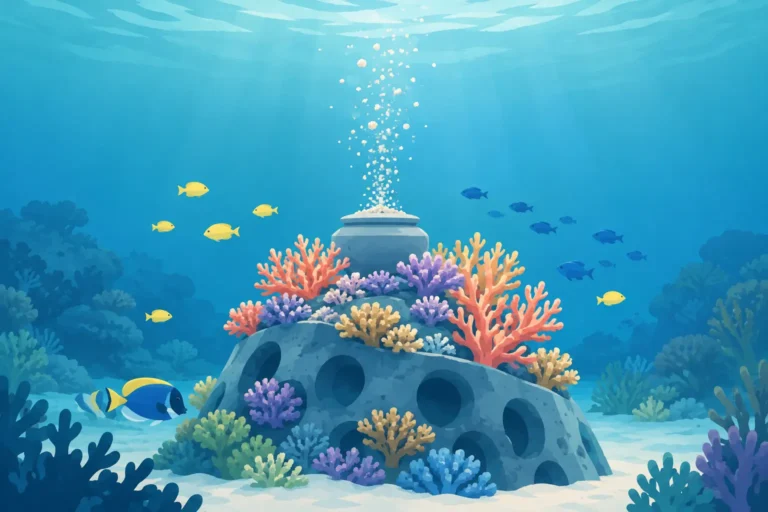
A memorial reef incorporates cremated remains into a permanent, marine-safe structure designed for approved underwater placement. Once placed, the reef can provide hard surface and shelter in areas where marine life needs habitat. Over the years, it may become home to fish, invertebrates, and coral growth, depending on the placement location and local marine conditions.
This is what makes a reef memorial distinct from scattering ashes at sea. Scattering can be a beautiful private ritual, but it does not create a lasting physical place for marine life or for a family to locate later. A reef placement brings together ceremony, permanence, and restoration.
Why a living memorial can feel more personal
Traditional memorials often ask families to visit a cemetery plot or stand before a headstone. Those places matter deeply to many people. But for someone who loved boating at sunrise, fishing with family, diving, sailing, or walking the shore, a living reef can feel more true to the life they lived.
A reef memorial is not simply placed in the ocean and forgotten. It becomes part of a continuing natural story. Seasons change above the water, while below, the structure provides a lasting foundation for marine life. That sense of continuity can be especially meaningful after a death: your loved one is remembered not only through loss, but through beauty, connection, and renewal.
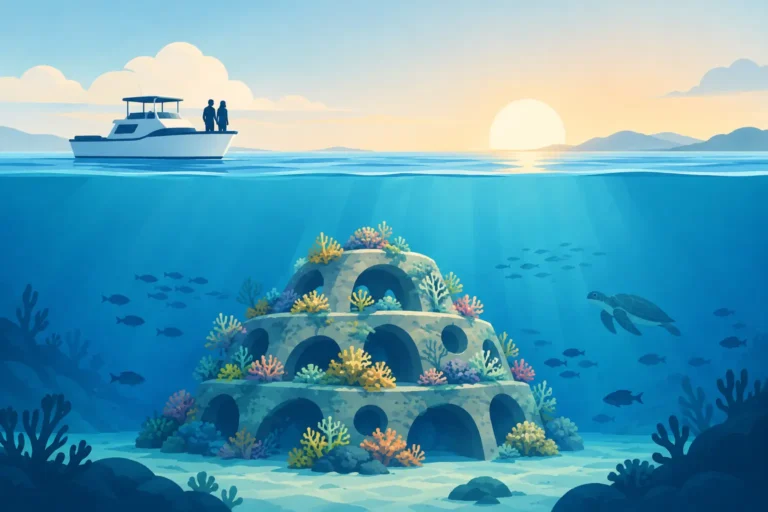
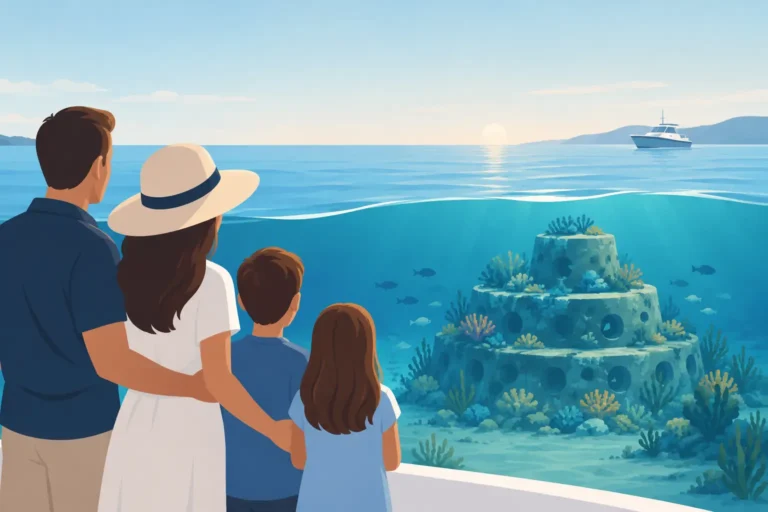
For some families, the memorial also creates a new tradition. Relatives may visit the coastline, take a boat ride near the placement area, dive when appropriate, or mark anniversaries by spending time near the water. Formal GPS coordinates and placement documentation can give families confidence that their loved one has a known, enduring place.
A choice that can include the whole family
Memorial needs are rarely one-size-fits-all. One person may want a personal reef for a spouse or parent. Another family may want a shared memorial where partners, relatives, or even beloved pets can be remembered together over time.
A multi-generation reef can be especially comforting for families who want to create a shared legacy instead of making separate arrangements for each person. Couple-focused designs can honor two lives side by side, while pet memorial options recognize the profound bond between people and the animals who shared their homes and routines.
The right choice depends on your family’s wishes, capacity needs, budget, and connection to the sea. What matters most is choosing a memorial that feels honest to the person being remembered.
The practical details deserve gentle attention
When someone has died, even simple logistics can feel overwhelming. An eco friendly cremation memorial should bring clarity, not add uncertainty. Before choosing a provider, families deserve straightforward answers about cremation coordination, transportation, placement timing, permits, documentation, and what is included in the memorial.
A responsible marine memorial process begins with approved placement areas and structures made specifically for underwater use. It should never involve placing ashes or materials in the water without proper authorization. Marine ecosystems are precious, and thoughtful restoration requires careful design, environmental standards, and placement planning.
Families should also understand how their loved one’s cremated remains will be incorporated, whether they can attend or participate in a ceremony, and when the placement is expected to occur. Some providers coordinate with a funeral home or crematory; others can help arrange cremation as part of the overall process. Knowing who handles each step can lift a significant burden during an already tender time.
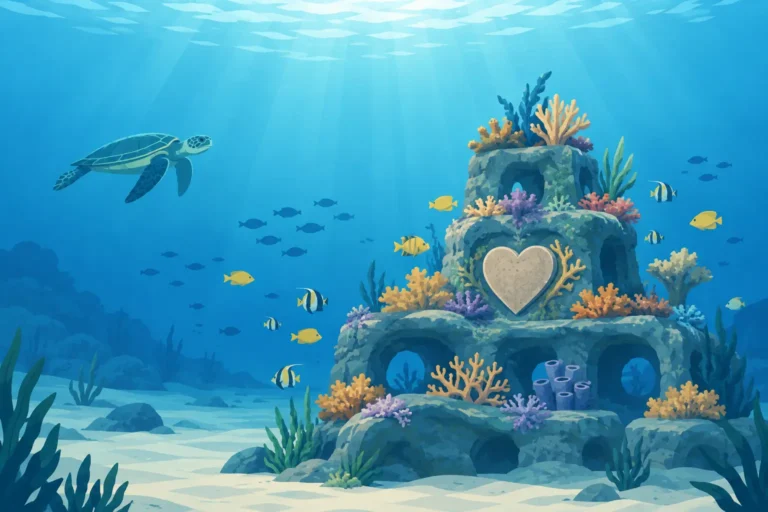
After placement, meaningful records matter. A placement certificate, GPS coordinates, photographs when available, and a personalized plaque can transform an abstract idea into a documented legacy. These details give future generations a way to understand where their family member rests and why that place was chosen.
Questions to ask before selecting a memorial reef
A compassionate provider will welcome practical questions and answer them plainly. Ask whether the organization is a nonprofit or commercial provider, how reef structures are designed, where placements occur, and what environmental purpose the structure serves after placement.
It is also wise to ask about the projected lifespan of the memorial, what documentation the family receives, and whether future placements can be added. If a family hopes to create a shared memorial over time, capacity and design are important from the beginning.
Cost is another necessary part of the conversation. Financial assistance, payment arrangements, or shared memorial options may help make a meaningful placement more accessible. There is no need to apologize for asking direct questions about price. A memorial should bring peace, not leave a family with unexpected obligations.
Finally, consider the kind of support you need. Some families are comfortable coordinating cremation and transport themselves. Others need a funeral-concierge approach that manages the details from initial arrangements through placement. Neither approach is more loving. The best one is the one that gives your family room to grieve and remember.
A memorial choice with a visible purpose
There is a quiet power in choosing a memorial that gives back. A carefully designed reef does not ask a family to choose between honoring a loved one and caring for the environment. It allows those intentions to become one act.
Remember Me By The Sea creates living memorial reefs that incorporate the cremated remains of people and pets into permanent marine habitat. Each placement is designed to endure for more than a century, creating a lasting legacy of remembrance and ocean restoration in approved waters.
For families with roots in coastal life, this can feel less like saying goodbye and more like placing someone within the rhythm they loved: tides moving, marine life returning, and a memorial continuing to grow in meaning over time.
Let remembrance become part of the future
A beautiful memorial does not have to stand apart from the living world. It can support it. Whether you are making arrangements after a loss or planning ahead for your own wishes, an ocean reef memorial offers a way to leave behind more than ashes.
It offers a place of connection, a record for those who come after, and a living gift to the sea. In time, the reef may hold the same quiet truth families hold in their hearts: love does not end. It changes shape, finds new life, and carries on.