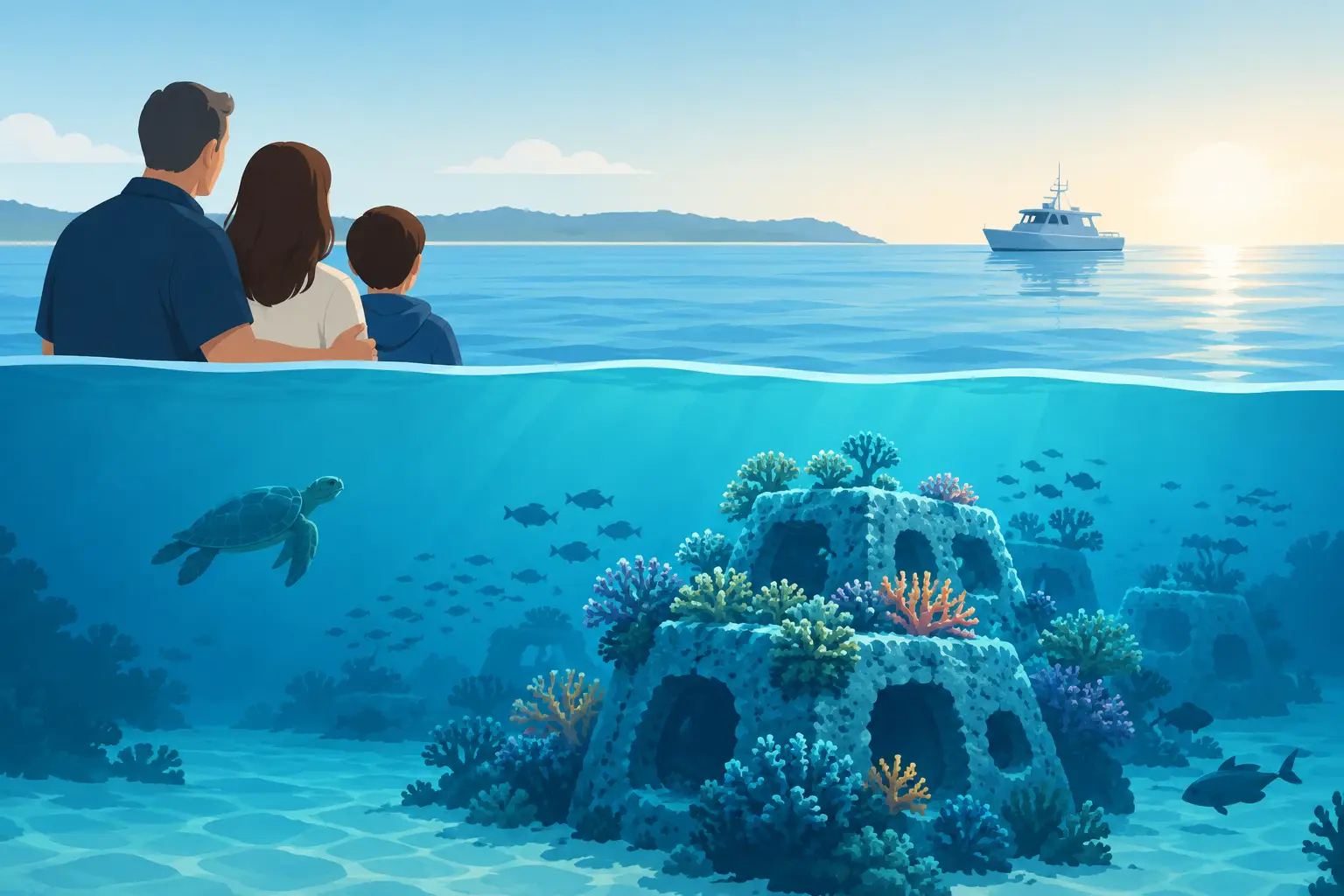
What Does a Memorial Reef Cost for Families?
A memorial reef cost is not simply the price of placing ashes at sea. It reflects the creation of a permanent, marine-safe habitat where a person or pet’s memory can continue in a living place. For families who feel that cold stone does not tell the whole story of a life, a reef memorial offers something different: a gentle, joyful goodbye that supports new life beneath the water.
The right choice depends on the kind of memorial you envision, how many loved ones may be included over time, the placement location, and the level of personalization your family needs. Understanding those choices early can make a difficult decision feel more manageable.
What Shapes Memorial Reef Cost?
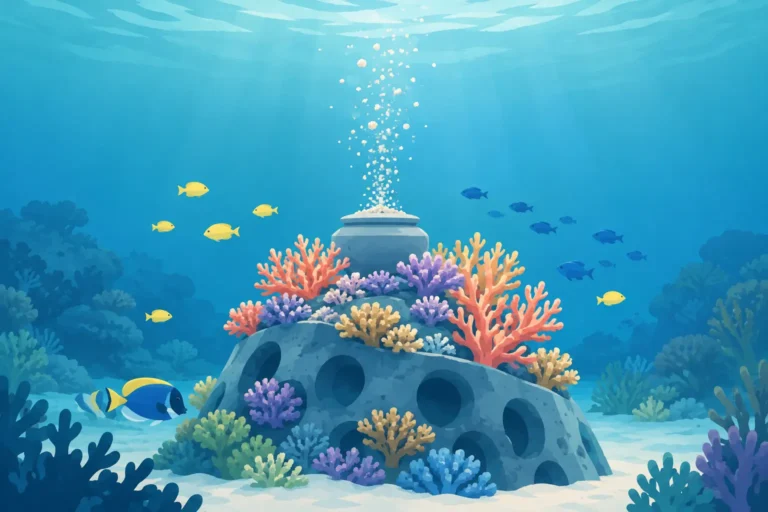
Memorial reefs are carefully engineered structures, not an ash scattering service. Each one must be made from materials safe for marine life, designed to remain stable underwater, permitted for placement, and transported to an approved reef site. The cost supports both the memorial itself and the work required to establish lasting habitat.
The size and capacity of the reef are often the biggest factors. A shared memorial may be a meaningful choice for one person or pet while also becoming part of a larger reef community. A private structure for a couple, family, or several generations generally involves more material, more space for future placements, and more options for individualized design.
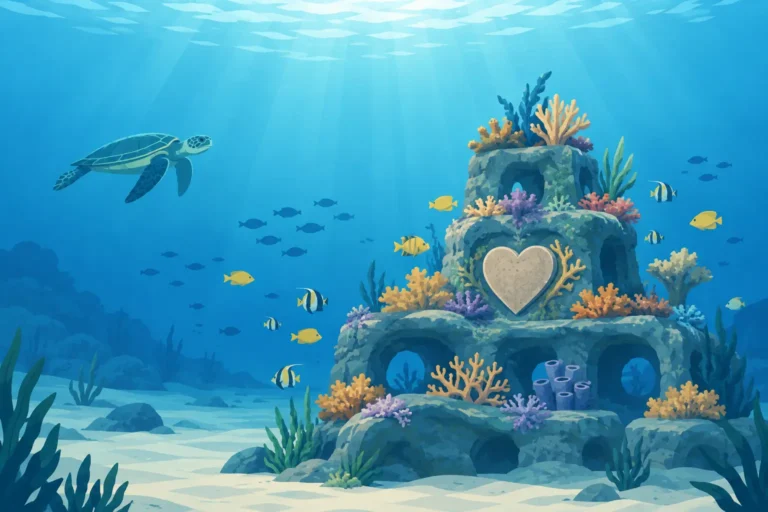
Personalization also affects the overall investment. Families may choose a plaque with a name, dates, a message, or imagery that captures a loved one’s spirit. Some select a design intended to hold the cremated remains of a spouse or pet later, creating a shared place of remembrance rather than separate memorials. Custom artistic reefs, especially those placed internationally, may require additional design, logistics, and coordination.
Location matters, too. Transportation to the placement site, local marine requirements, vessel access, and permitting all vary by region. An established placement area can offer a more straightforward path than a remote or highly customized destination. The meaningful question is not only, “What does it cost?” but also, “What will this place mean to our family for decades to come?”
What a Memorial Reef Investment Can Include
A clear memorial reef price should account for more than the underwater structure. Families deserve to know who is handling each step, what documentation they will receive, and how their loved one’s remains will be treated.
At Remember Me By The Sea, the process is designed to reduce the burden on families during a tender time. Depending on the memorial selected, services can include cremation coordination, transportation of cremated remains, incorporation into the reef structure, placement logistics, a personalized plaque, GPS coordinates, and an official placement certificate.
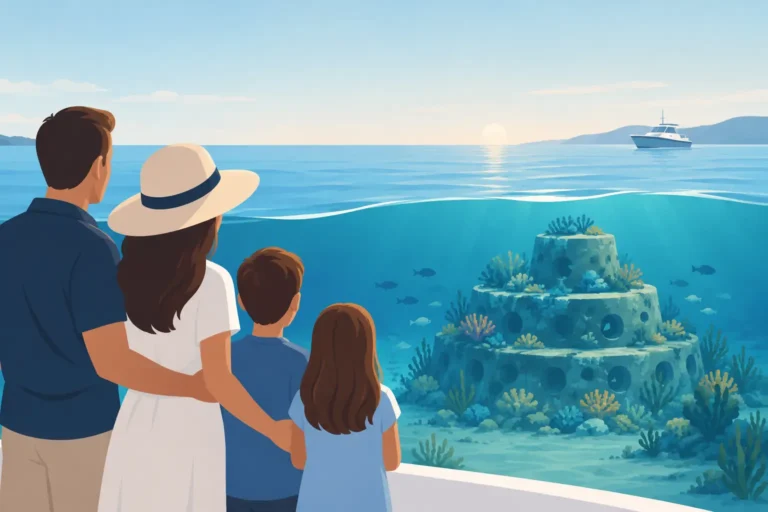
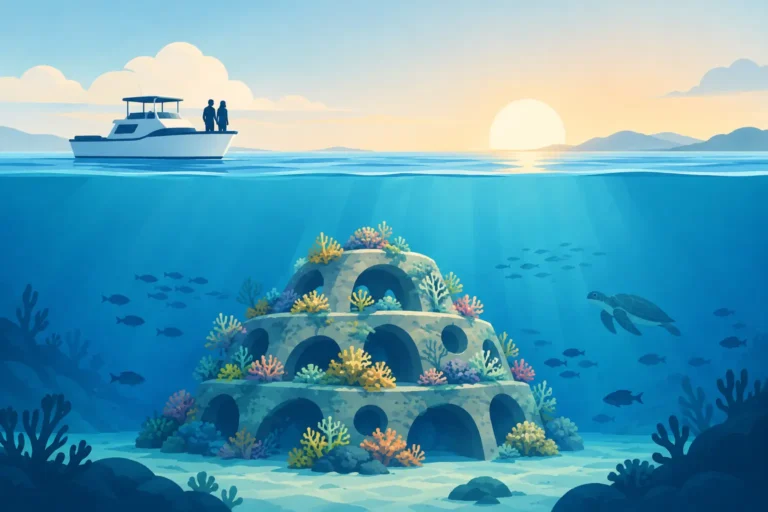
Those details matter. GPS coordinates give families a real place to return to by boat, to visit while diving, or simply to hold close when they picture their loved one resting beneath the waves. A placement certificate provides formal confirmation for family records. The plaque creates a visible point of remembrance within a habitat that may shelter fish, coral, and other marine life for more than a century.
When comparing options, ask whether quoted pricing includes the full placement process. A lower number may not include transportation, permits, the memorial plaque, or other essential services. A complete estimate should make clear what is included, what may be optional, and whether there are circumstances that could change the final cost.
Shared, Private, and Family Reef Options
A shared reef memorial is often the most accessible choice for a single person or pet. It allows a loved one’s cremated remains to become part of a larger, purpose-built habitat alongside others who are also remembered at sea. For many families, there is comfort in knowing their loved one is not alone, but part of a growing underwater community.
A private memorial reef can offer greater space, privacy, and personalization. These structures may be especially meaningful for partners who wish to remain together, parents planning a legacy for children and grandchildren, or families who want one enduring location for future placements. The initial cost can be higher, but capacity for future family members may make it a thoughtful long-term decision.
Pet memorial reefs honor a bond that deserves to be recognized with the same care. For a family whose dog loved the beach, whose cat watched the tide from a window, or whose companion was part of every season of life, a living reef can be a beautiful way to say thank you. Pet options may be individual or shared, depending on the family’s wishes and the available design.
Custom Memorials and International Placement
Some families have a vision that reaches beyond a standard memorial option. They may want a sculptural reef that reflects a loved one’s vocation, faith, love of sailing, or connection to a particular coastline. Others may wish to arrange placement in international waters near a place filled with family meaning.
Custom work typically carries a wider cost range because it involves design development, engineering, approvals, transportation, and specialized placement planning. It can also involve funeral-concierge support for families managing arrangements across states or countries. For those considering a custom reef, an individual conversation is the most reliable way to understand timing, feasibility, and budget.
How to Think About Cost During a Time of Loss
It is natural to compare a memorial reef with the cost of cremation, burial, a cemetery plot, a headstone, or a traditional service. Yet the comparison is not always one-to-one. A reef memorial is both a resting place and a conservation project. It joins personal remembrance with measurable habitat restoration.
For some families, affordability is the first concern. There is no shame in that. Ask about shared options, financial assistance where available, and whether arrangements can be tailored to your circumstances. A compassionate provider should meet these questions with clarity, not pressure.
For others, planning ahead creates room to choose without urgency. Preplanning can make it easier to decide whether a private reef should accommodate two people, beloved pets, or multiple generations. It can also spare family members from having to guess what kind of farewell you would have wanted.
The most meaningful choice is rarely the largest or most elaborate one. It is the one that feels true to the life being honored. A modest shared reef may perfectly reflect someone who cared deeply about the sea. A family reef may become a powerful tradition, giving children and grandchildren a place where memory is connected to renewal.
Questions to Ask Before Choosing a Memorial Reef
Before making a decision, ask how the cremated remains are incorporated into the structure and whether the materials are permanently marine-safe. Confirm the planned placement region, the expected timing, and whether the reef is installed in approved waters.
You may also want to ask what proof of placement your family will receive, whether GPS coordinates are provided, and what information is included on the plaque. If future placements matter, ask about remaining capacity and whether the reef can accommodate a spouse, pet, or other relatives later.
Finally, ask what environmental impact the memorial is designed to create. A true living memorial should be built to give marine life a place to gather, shelter, and grow – not merely to disappear beneath the surface.
Choosing a memorial after loss asks the heart to make practical decisions. A living reef can ease that tension by giving every detail a deeper purpose: your loved one is remembered not in stillness, but in a place where life continues to find its way home.