Are Memorial Reefs Legal? What Families Need to Know
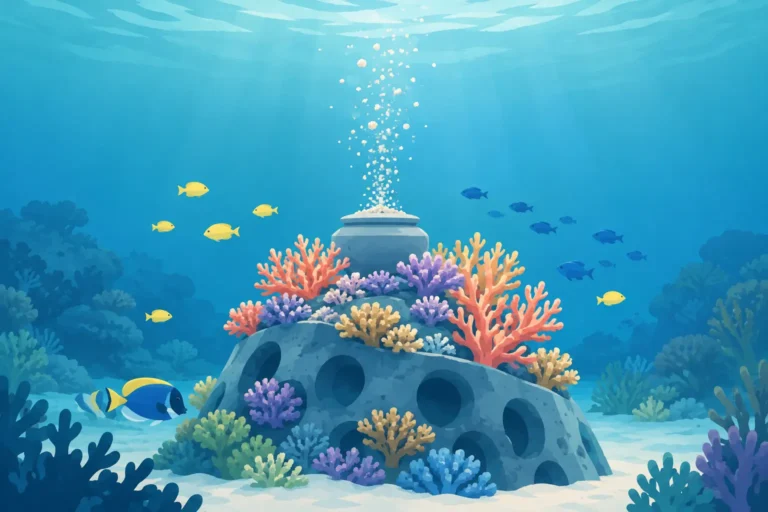
A family may know exactly what they want: a loved one’s ashes becoming part of a living place in the sea, surrounded over time by fish, coral, and marine life. The next question is a practical one: are memorial reefs legal? In many cases, yes. But a legal memorial reef is not simply ashes placed underwater. It must follow federal, state, and local requirements for both the cremated remains and the reef structure itself.
For families already carrying grief, that distinction matters. A properly planned placement can become a permanent place of remembrance and a meaningful contribution to marine habitat. An unapproved placement, even one made with the best intentions, can create legal and environmental problems. The reassuring news is that experienced memorial reef organizations handle the permitting, site selection, transportation, and placement details so families can focus on a gentle, joyful goodbye.
Are Memorial Reefs Legal in the United States?
Memorial reefs can be legal in the United States when they are installed in authorized waters and meet the rules that apply to burial at sea and artificial reef construction. The exact requirements depend on where the reef will be placed, who owns or manages the waterway, the material used, and whether the memorial includes human or pet cremated remains.
At the federal level, the Environmental Protection Agency regulates burial at sea under the Marine Protection, Research, and Sanctuaries Act. Cremated human remains may generally be placed at sea under the EPA’s general permit framework when the placement occurs at least three nautical miles from land and the required reporting and handling standards are met. Families should never assume that a nearby beach, bay, marina, river, or favorite fishing spot qualifies.
A memorial reef adds another layer. Because it is a permanent underwater structure designed to create habitat, the project may require authorization from agencies such as the U.S. Army Corps of Engineers, as well as state coastal, environmental, or wildlife agencies. A legal reef is placed in an approved location, using materials that are safe for the marine environment and appropriate for the permitted reef site.
This is why a memorial reef should be viewed differently from scattering ashes. It is not a private act of remembrance that can happen anywhere there is water. It is a lasting habitat project, often intended to remain for generations.
The Two Parts of a Legal Memorial Reef
The cremated remains must be handled properly
For human ashes, the law commonly distinguishes cremated remains from intact human remains, but it does not mean every ocean placement is automatically allowed. Requirements may address the distance from shore, notification after burial at sea, and the removal of packaging or materials that do not belong in the ocean.
A reputable provider will explain how the cremated remains are incorporated into the reef material and will ensure that containers, personal items, and decorative elements meet environmental and permit requirements. Families can still make the memorial personal through inscriptions, plaques, a placement ceremony, and the story held within the reef itself.
Pet cremated remains may be incorporated into memorial reefs as well, but the governing rules can differ from those for human remains. The key question remains the same: is the specific site and structure approved for this purpose? A provider should be able to answer clearly, rather than offering a vague promise that ocean placement is allowed.
The reef site and structure must be authorized
Artificial reefs are carefully planned. Agencies evaluate whether a structure could interfere with navigation, fishing, existing habitat, protected species, cables, military activity, or other uses of the water. They also consider whether the materials will remain stable and safe over time.
Marine-safe concrete is frequently used because it is durable and can provide a textured surface where marine life can attach and grow. The design, weight, placement depth, and coordinates all matter. A reef intended to endure for more than a century needs more than a beautiful idea. It needs engineering, permitted placement, and stewardship.
Protected waters require special care. National marine sanctuaries, marine parks, estuaries, and certain state-managed areas may have additional restrictions. Even a location with deep personal meaning may not be a lawful placement site. A compassionate provider helps families honor that connection through an approved reef location rather than asking them to take a legal risk.
What Families Should Ask Before Choosing a Memorial Reef
The right questions can bring welcome clarity at a difficult time. Start by asking whether the provider uses a permitted artificial reef site and which agencies authorize the placement. A trustworthy answer should identify the location and explain the provider’s role in complying with applicable requirements.
Ask who manages the cremated remains from the time they are received until placement. Families deserve a respectful chain of care, whether they are arranging a memorial after a recent loss or planning ahead for themselves. Transportation, storage, labeling, incorporation, and final placement should be handled with clear procedures.
It also helps to ask what documentation the family receives. A placement certificate, GPS coordinates, photographs or video when available, and details about the reef site can turn an unseen underwater memorial into a place the family can return to in meaningful ways. For some, that means visiting by boat. For others, it means diving, snorkeling where appropriate, or simply knowing the exact place where a loved one’s legacy continues.
Finally, ask how the organization supports the ecological purpose of the reef. “Eco-friendly” should mean more than a label. Families can ask about the reef material, expected lifespan, placement location, habitat goals, and whether the organization has experience working within approved reef programs.
What Legal Placement Looks Like in Practice
A lawful memorial reef placement is usually coordinated well before the day of the ceremony. The site has already been selected and approved. The structure has been designed for that site. The organization knows the applicable requirements and follows the reporting procedures connected with burial at sea and reef deployment.
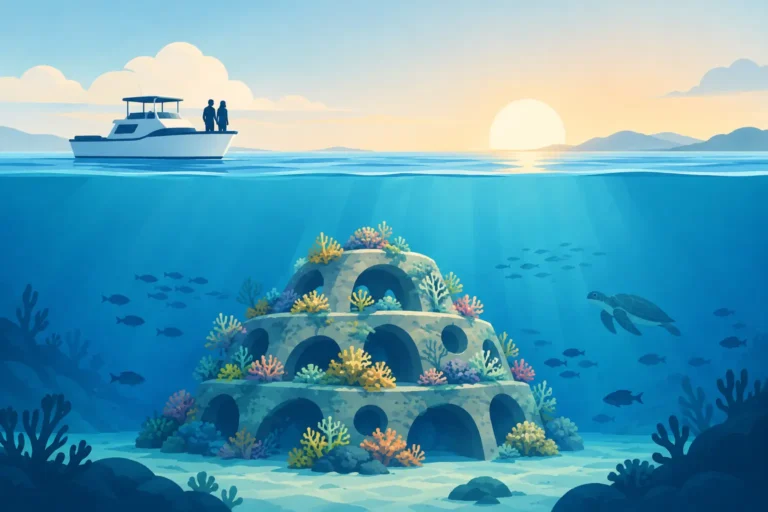
On placement day, the family may participate in a ceremony from a vessel or choose a more private arrangement, depending on the provider and location. The ashes are not casually released into the water. They have been respectfully incorporated into a permanent reef structure, which is then placed at its assigned coordinates.
That structure can become a shared family legacy. A couple may be memorialized together in a dual-sided reef. A family reef may reserve capacity for future generations. A pet memorial may offer the same sense of love, continuity, and return to nature. Each option should be transparent about capacity, placement region, documentation, and what is included.
For families who want support through every detail, Remember Me By The Sea coordinates the memorial process from cremation arrangements and transportation through placement logistics, personalized documentation, and permanent reef habitat creation. That kind of guidance can remove the burden of trying to interpret maritime rules during a time of loss.
A Meaningful Choice Deserves a Lawful Foundation
No family should have to choose between honoring a loved one and protecting the waters they loved. A legal memorial reef makes both possible: the memorial is placed with care, the site is respected, and the structure is built to welcome new life rather than leave a trace of harm.
Before making arrangements, take time to ask direct questions about permits, site approval, materials, and documentation. When those answers are clear, a memorial reef can offer something cold stone cannot: a living place where remembrance keeps growing beneath the sea.