Memorial Reef for Couples That Keeps Love Growing
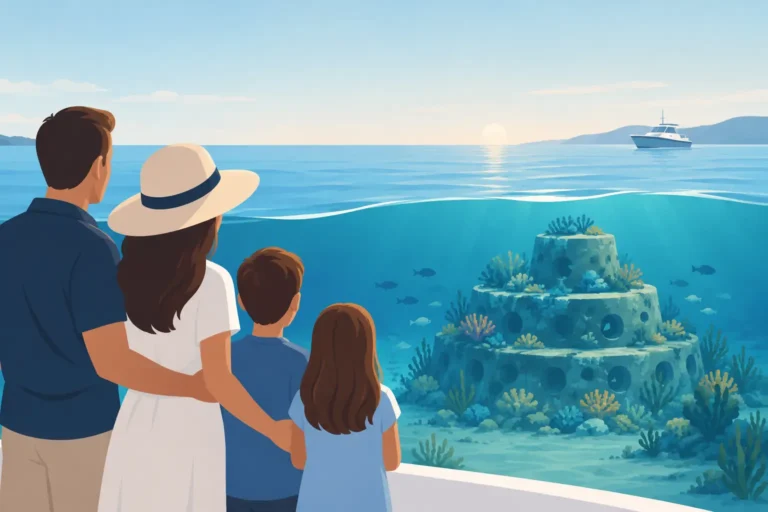
Some couples build a life around the water: early morning fishing trips, beach walks after dinner, family vacations by the coast, or years spent watching the tide come in together. When one partner dies, or when both are planning ahead, a memorial can honor more than a loss. A memorial reef for couples creates a shared place of remembrance that is alive with purpose, supporting marine life while holding the story of two lives joined in love.
For many families, that feels more personal than a cemetery plot or a cold stone marker. It offers permanence, a physical place in the sea, and the comfort of knowing that remembrance can become part of something growing.
Why a memorial reef for couples feels different
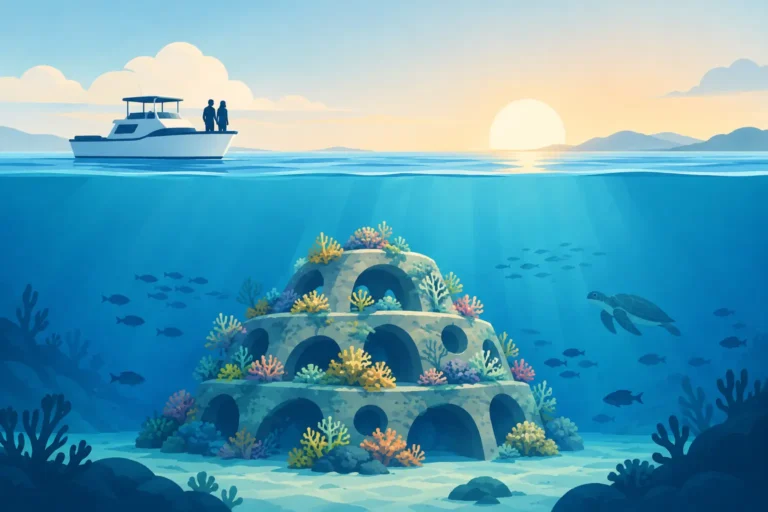
A shared reef memorial is not simply a place where cremated remains are placed. It is a lasting underwater structure designed to become habitat for fish, coral, and other marine life. Over time, the reef becomes part of the ocean floor, creating shelter and surfaces where life can gather.
That living purpose matters to couples who loved the coast and to families who want their goodbye to reflect generosity as well as grief. Rather than asking loved ones to stand before a marker that speaks only of an ending, a reef offers a continuing story. The ocean changes around it. Marine life finds a home there. The family legacy becomes connected to restoration.
A couple-focused reef can also recognize that a relationship does not end when one person dies first. One partner’s ashes may be placed now, while space remains for the surviving partner in the future. This approach can be especially reassuring for spouses and long-term partners who have discussed their wishes together but do not expect to leave at the same time.
How a memorial reef for couples can be arranged
The most fitting choice often depends on whether the memorial is needed now, being planned in advance, or intended to hold both partners’ remains together. A dual-sided reef is designed with that shared future in mind, giving each person a distinct, honored place within one permanent structure.
For a family, the process should not add more strain to an already difficult season. Remember Me By The Sea helps coordinate the details from cremation arrangements and transportation through placement logistics, documentation, and the memorial ceremony experience. The goal is to make room for grief, love, and family decisions without leaving people to sort through complicated marine requirements on their own.
A place that belongs to both people
A couple’s reef can represent two individual lives and one shared life at the same time. Families may choose personalized plaques with names, dates, and a brief message that feels true to the relationship. Some choose words from wedding vows, a favorite saying, or a simple expression of enduring love.
The memorial’s GPS coordinates provide a lasting point of connection. Loved ones may visit by boat, return during a diving trip where appropriate, or simply hold the coordinates as a meaningful part of the family record. A formal placement certificate offers another tangible confirmation that the memorial has been placed in its approved location.
A process rooted in care and permanence
Marine memorial placement requires thoughtful planning. The structure must be made from materials suitable for the marine environment, and placement must occur in approved waters. These safeguards protect both families and the ocean, helping ensure the reef can remain in place and serve as habitat for more than a century.
Cremated remains are incorporated into the memorial reef rather than scattered into open water. For some people, that distinction is deeply meaningful. Scattering can be beautiful, but it is transient. A reef creates a defined, enduring destination where a couple’s memorial continues to exist.
Deciding whether a shared reef is right for your family
There is no single right way to remember someone. A memorial reef may feel especially meaningful when the couple shared a love of the sea, valued conservation, or wanted their final plans to ease the burden on their children. It can also be a gentle choice for blended families, where a permanent location gives many people a place to honor a parent or grandparent.
Still, a shared reef is a personal decision, and timing matters. Some families feel comforted by reserving space for a surviving spouse or partner. Others prefer separate placements that are near one another, particularly if each person had different wishes or if relatives live far from the coast. A caring memorial provider should explain these options clearly, without pressure.
It is also worth considering how your family hopes to remember. If regular visits to a cemetery are important, a land-based memorial may remain the better fit. If your loved one felt most at peace near the water, a reef can offer an equally real place of connection, even when visiting looks different. Families can gather at a shoreline, take a boat to the placement area, mark an anniversary at home, or share the coordinates with future generations.
Questions to discuss before choosing a couple’s reef
Before making a decision, give yourselves permission to talk through both the emotional and practical details. Consider whether the reef will be for immediate placement, future planning, or both. Decide whose cremated remains will be included and whether the structure should leave room for a surviving partner, pets, or additional family members.
Ask what is included in the service, such as cremation coordination, transport, a personalized plaque, placement documentation, GPS coordinates, and a certificate. It is also helpful to understand the approved placement region, the expected timing, and whether financial assistance may be available. Clear answers can bring calm when decisions feel overwhelming.
If you are planning ahead as a couple, write down the reasons this choice feels right. A few simple sentences can guide your family later: perhaps you both loved sailing, wanted to protect marine life, or hoped to remain together in a place that reflected your happiest days. Those words can become a gift to the people who will carry out your wishes.
A legacy that gives back to the sea
The beauty of a memorial reef is that it does not ask families to choose between honoring a loved one and caring for the natural world. Each placement supports a structure that can provide shelter and encourage marine habitat for generations. A couple’s love becomes part of a larger cycle of life beneath the surface.
That does not make grief disappear. It gives grief somewhere meaningful to go. Instead of imagining a final resting place as still and distant, families can picture an underwater home where fish gather, coral may take hold, and the sea continues its patient work of renewal.
For couples who spent a lifetime choosing one another, a shared reef can be a final expression of that devotion: together, remembered, and still giving life to something beyond themselves.